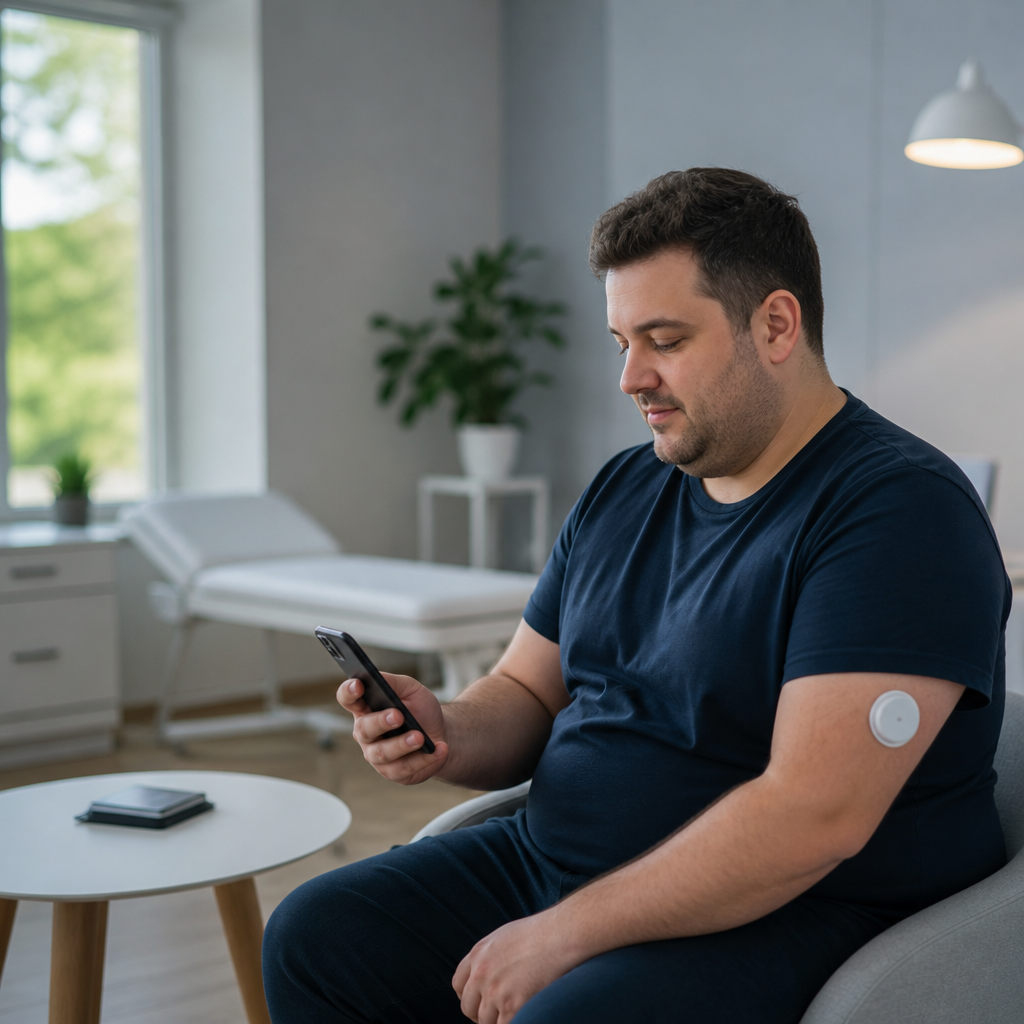

Medical weight management has entered a new era where data-driven approaches and digital health tools are reshaping how patients and clinicians tackle obesity. The integration of mobile health applications, wearable sensors, and sophisticated data analytics platforms is providing unprecedented insight into the complex interplay of metabolism, behavior, and environmental factors that influence body weight. This technological shift is not merely about tracking calories or steps—it represents a fundamental change in how healthcare systems approach chronic weight management as a medical condition requiring ongoing clinical support rather than short-term intervention.
The convergence of healthcare expertise and data science is creating opportunities for more personalized, effective interventions. As healthcare providers adopt these technologies, they are discovering that successful weight management requires sophisticated data infrastructure that can integrate information from multiple sources while maintaining patient privacy and clinical utility.
The Role of Real-Time Data in Clinical Weight Management
Traditional weight management programs relied on periodic clinic visits where patients would report their progress, often from memory or incomplete food diaries. This episodic approach left significant gaps in understanding the daily patterns that drive weight change. Digital health tools have transformed this dynamic by enabling continuous monitoring of physiological markers, dietary intake, physical activity, and even sleep patterns.
Wearable devices now capture heart rate variability, sleep architecture, and energy expenditure with increasing accuracy. When combined with smartphone applications that log meals, medications, and subjective well-being, clinicians gain a comprehensive view of each patient’s health status between appointments. This continuous data stream allows for earlier detection of plateaus or setbacks, enabling timely intervention before patients become discouraged or regain significant weight.
The challenge lies not in collecting data—modern sensors generate vast quantities—but in transforming raw data into actionable clinical insights. Healthcare systems are increasingly turning to data virtualization and advanced analytics platforms that can aggregate information from disparate sources without requiring costly data migration or creating redundant storage systems. These technologies allow clinicians to access unified patient views that incorporate device data, electronic health records, laboratory results, and patient-reported outcomes in real time.
Evidence-Based Digital Interventions for Obesity
The scientific evidence supporting digital health interventions for weight management has grown substantially. Research published in peer-reviewed journals demonstrates that structured digital programs can achieve clinically meaningful weight loss when they incorporate specific evidence-based components. A comprehensive analysis in PLOS Digital Health examined multiple digital health studies and identified key features associated with successful outcomes: frequent self-monitoring, personalized feedback, social support mechanisms, and integration with clinical care.
Effective digital interventions typically combine self-monitoring tools with behavioral coaching delivered through the application. Patients who log their food intake and physical activity at least five days per week show significantly better outcomes than those with sporadic engagement. The feedback loop is critical—when patients see how specific choices affect their progress, they develop better self-regulation skills. Push notifications and in-app messaging can reinforce positive behaviors and provide timely encouragement during difficult periods.
However, digital tools alone are rarely sufficient for patients with complex medical histories or obesity-related comorbidities. These individuals benefit from hybrid models that combine app-based tracking with regular consultations with healthcare professionals who can adjust medications, address metabolic complications, and provide medical oversight of more aggressive weight loss strategies.
Integrating Medical Expertise with Digital Tools
The most effective approaches to obesity treatment recognize that sustainable weight loss often requires medical intervention beyond lifestyle modification alone. Multi-specialty hospitals are now developing integrated obesity medicine programs that leverage digital health technologies within a comprehensive clinical framework. These programs assess patients for underlying hormonal imbalances, metabolic disorders, and psychological factors that may complicate weight management.
For individuals who have struggled with traditional diet and exercise programs, medical weight management offers additional options including pharmacotherapy and, when appropriate, bariatric surgery. Patients seeking this level of specialized care should consult with a weight loss specialist near me who can conduct comprehensive metabolic evaluations and develop individualized treatment plans. Modern obesity medicine integrates digital monitoring tools with medical therapies, allowing clinicians to track medication efficacy, identify side effects early, and adjust treatment protocols based on objective data rather than relying solely on patient recall.
Digital platforms also facilitate the multidisciplinary coordination essential for complex cases. When endocrinologists, dietitians, exercise physiologists, and behavioral health specialists all access the same integrated patient data, care becomes more coherent and efficient. Patients no longer need to repeat their history at each appointment, and providers can see how interventions in one domain affect outcomes in others.
Privacy and Data Security Considerations
As healthcare becomes more data-intensive, protecting patient privacy grows increasingly complex. Weight management data is particularly sensitive—it reveals detailed information about eating behaviors, body image concerns, mental health status, and daily routines. Healthcare organizations implementing digital health tools must ensure compliance with data protection regulations while maintaining the interoperability needed for effective care coordination.
Patients should understand what data is collected, how it is stored, who has access, and whether it is shared with third parties. Reputable digital health platforms use encryption for data transmission and storage, implement strict access controls, and undergo regular security audits. Healthcare providers should be prepared to explain these protections and address patient concerns about data security.
The trade-off between data utility and privacy is not always straightforward. De-identified aggregate data can advance research and improve program effectiveness, but patients must be able to opt in or out of such uses. Transparency about data practices builds trust and may actually improve engagement with digital health tools.
Practical Implementation for Healthcare Systems
Healthcare organizations considering digital health integration for weight management face several implementation challenges. Technology selection must consider interoperability with existing electronic health record systems, ease of use for both patients and clinicians, evidence supporting the platform’s effectiveness, and total cost of ownership including training and ongoing support.
Successful implementation requires more than purchasing software. Staff need training not only in the technical aspects of the platform but also in how to interpret digital data and incorporate it into clinical decision-making. Workflow redesign is often necessary—traditional appointment structures may not accommodate the review of continuous monitoring data, and new protocols may be needed for responding to alerts or concerning trends identified between visits.
Patient onboarding is equally critical. Not all patients arrive with equal digital literacy or access to smartphones and reliable internet connectivity. Programs must provide technical support, simplified interfaces for less tech-savvy users, and alternative options for those who cannot or prefer not to use digital tools. Equity considerations demand that digital health enhancements do not inadvertently create a two-tier system where only affluent, technologically comfortable patients receive optimal care.
Future Directions in Digital Weight Management
The trajectory of digital health in obesity medicine points toward increasingly sophisticated personalization. Machine learning algorithms are beginning to predict which patients will respond to which interventions based on baseline characteristics, early response patterns, and historical data from similar patients. These predictive models could help clinicians tailor treatment more precisely from the outset rather than relying on trial and error.
Integration with genomic data may eventually enable truly precision medicine approaches where treatment selection accounts for genetic variations affecting metabolism, appetite regulation, and response to specific medications. While this remains largely aspirational, the infrastructure being built today for digital health data management will be essential for implementing these advances as the science matures.
The expansion of telehealth, accelerated by recent global health challenges, has made specialist consultation more accessible to patients in remote areas or those with mobility limitations. Digital platforms that combine remote monitoring with video consultations are extending the reach of obesity medicine specialists beyond major metropolitan centers, potentially reducing geographic disparities in access to quality care.
As digital health technologies continue evolving, the fundamental goal remains unchanged: supporting patients in achieving and maintaining healthy weight through scientifically grounded, medically supervised, and individually tailored interventions. The tools are becoming more sophisticated, but the human elements of care—empathy, encouragement, and expertise—remain irreplaceable. The most successful programs will be those that use technology to enhance rather than replace the therapeutic relationship between patients and their healthcare providers.
